
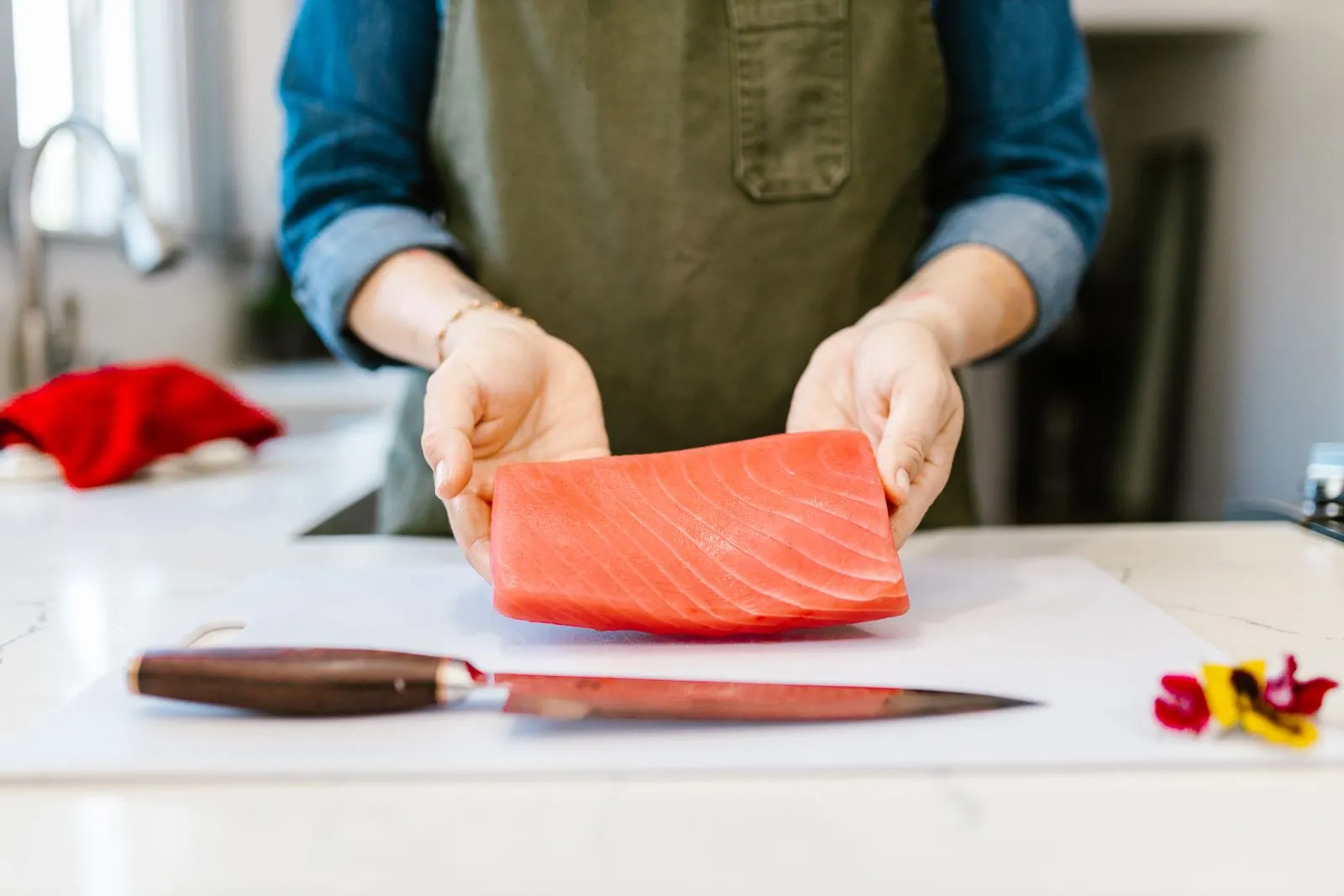
Omakase means placing the meal in the chef’s hands. Rather than choosing every piece from a fixed list, you experience selections shaped by what is fresh and available. Seasonality can affect which fish appears, how the chef prepares it, and where it fits in the meal. Understanding that connection makes each course easier to appreciate: the menu is not simply a collection of favorites, but a sequence built around ingredients at their best.
Availability Guides the Selection
A chef plans an omakase around ingredients that can be sourced in suitable condition. Availability can change with the season, weather, fishing conditions, and supply. A familiar fish may be absent, while another ingredient becomes the focus. This is why an omakase menu can vary from one visit to another, even at the same restaurant.
Seasonal sourcing does not mean every ingredient comes from nearby waters or that every seasonal item is served raw. The chef considers quality, handling, and how an ingredient will work in the meal. If a particular fish is not at its best, the chef may choose a different fish, preparation, or course instead.
Preparation Follows the Ingredient
Different ingredients call for different treatment. The chef might serve one fish simply with rice and a touch of seasoning, while another benefits from curing, aging, searing, or a small garnish. These choices can highlight texture and flavor without masking the ingredient. The goal is to serve each piece in a way that suits what is available.
Seasonality can also influence supporting ingredients, including vegetables, citrus, herbs, and sauces. A bright, crisp accompaniment may balance a rich piece, while a gentler seasoning can keep a delicate flavor in focus. Ask the chef what a preparation is meant to bring out; a brief explanation can make the course more rewarding.
The Menu Has a Rhythm
An omakase is usually planned as a progression, not a random assortment. A chef may move from lighter flavors to richer ones, vary textures, and alternate preparations to keep the meal balanced. The ingredients available that day help determine that order. A change in one course can affect what follows, so the sequence may differ between visits.
Pay attention to how each piece feels in relation to the last. Notice changes in temperature, texture, seasoning, and richness. If a flavor seems unfamiliar, take a moment before deciding whether you like it; the next course may offer a useful contrast. You can also mention allergies, dietary needs, or strong dislikes before the meal begins.
Let the Chef Explain the Choices
A short conversation can help you understand why an ingredient was chosen or prepared a certain way. Ask what is especially good that day, where an ingredient comes from, or whether a course is intended to be eaten in one bite. The chef can also tell you whether to add soy sauce or enjoy the piece as served.
If you prefer to know what is coming, say so. Some diners enjoy each course as a surprise; others appreciate a little context. Share your preference, along with any food restrictions, when you sit down. For guests at Harbor Omakase in St. John’s, a warm, direct conversation with the team can help shape a more comfortable experience.
Seasonal availability gives omakase its sense of place and moment. It can shape the ingredients, their preparation, and the order in which they arrive, making each meal distinct. Come curious, share your needs with the chef, and take time to notice how the courses connect. Ask what is in season when you plan your next omakase.