
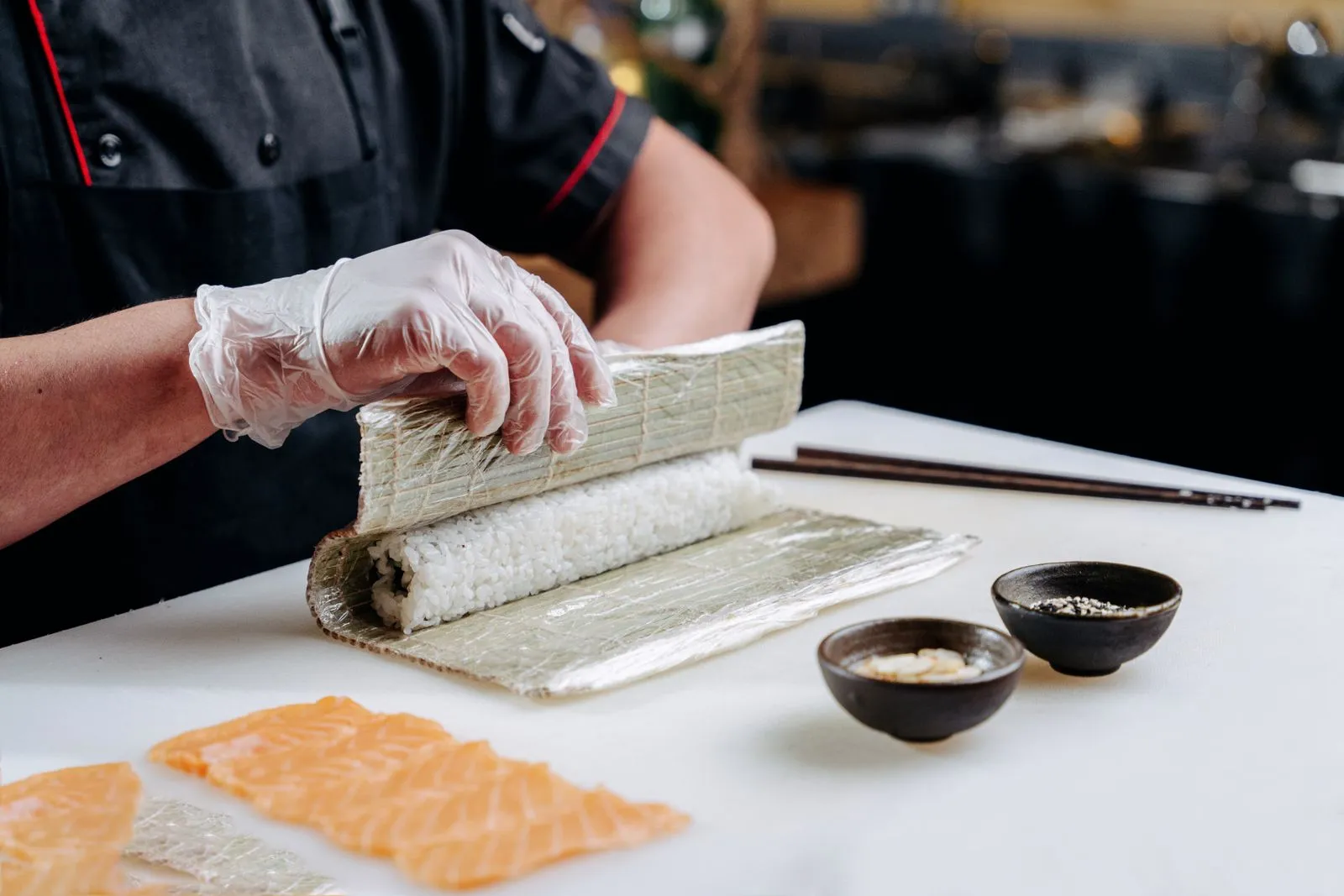
An omakase dinner is a meal guided by the chef. Rather than choosing every dish from a menu, you let the chef select and serve a sequence based on the ingredients available and the meal’s planned progression. Courses may include several kinds of sushi and other small dishes. Knowing how the experience works—and sharing your needs before it begins—helps you relax, enjoy each serving, and communicate comfortably throughout dinner.
How Chef-Guided Courses Work
Omakase means you are entrusting the choices to the chef. The chef decides what to serve and in what order, often presenting each piece or course individually. The progression may move through different fish, textures, temperatures, or preparations. The exact sequence depends on the restaurant and the ingredients available, so the experience can vary from one visit to another.
Your server or chef may describe each serving, including its main ingredient and suggested way to eat it. Some pieces may arrive seasoned or finished with sauce, citrus, or salt. If the chef recommends eating a piece as served, try it before adding soy sauce or another condiment. You can always ask what is on the plate or how the chef intended it to be enjoyed.
Pace Yourself Between Courses
Take your time, but follow the rhythm of the service. Omakase is usually served one course at a time, so there is no need to rush ahead or save every bite for later. Eat each serving while it is fresh, and pause between courses when you need to. If you would like a slower or quicker pace, tell your server; the team can let you know what is possible that evening.
Avoid filling up on appetizers or large drinks before the meal if you want room for the full progression. Rice portions and course sizes differ, so do not assume how filling dinner will be. Savor each bite, and speak up if you are getting full. You can also ask whether additional courses are planned before accepting another serving.
Questions to Ask Before Dining
Contact the restaurant ahead of time about allergies, dietary restrictions, and ingredients you cannot eat. Be specific: mention the ingredient, how serious the reaction is, and whether cross-contact is a concern. Omakase depends on the chef’s planned selection, so the restaurant needs to confirm whether it can safely accommodate your needs before you book or arrive.
You can also ask how long the meal generally takes, whether the menu can accommodate preferences, and what happens if a course includes an ingredient you would rather avoid. Check whether reservations, deposits, or cancellation terms apply. If you are unsure about etiquette, ask whether to use your hands or chopsticks, how to handle soy sauce, or whether conversation with the chef is welcome.
During the Meal
Stay open to unfamiliar ingredients, but remember that you can decline a serving. A simple, quiet explanation is enough; you do not need to justify a preference. If you have a concern about an ingredient, ask before tasting. Clear communication helps the staff respond without interrupting the flow more than necessary.
The counter can make the meal feel interactive, but you do not have to know sushi terminology or ask constant questions. Listen to the descriptions, notice what you enjoy, and ask about a course when you are curious. A brief thank-you or a comment about a favorite bite is a natural way to engage with the chef and service team.
A good omakase dinner is easier to enjoy when you know the chef will guide the courses and you share important needs in advance. Arrive ready to take your time, ask questions when something is unclear, and let the staff know how the pacing feels. Contact the restaurant before booking to discuss your preferences and any dietary concerns.