
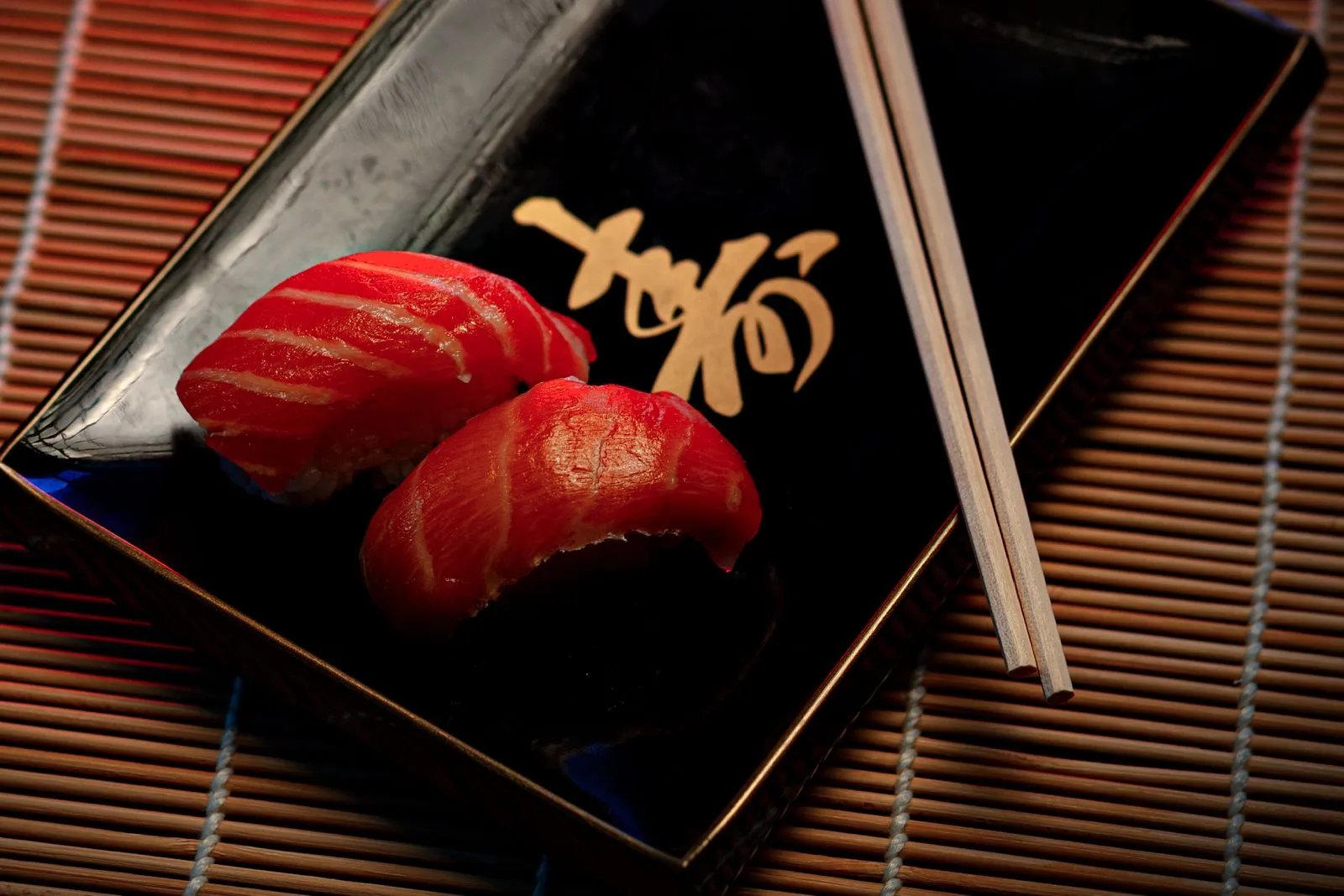
Omakase means trusting the chef to guide your meal, but that doesn’t mean you have to arrive knowing every rule. A little communication helps the chef tailor the experience and lets you relax into each course. Before your meal, share any allergies, dietary restrictions, or ingredients you avoid. Once service begins, take your time, follow the chef’s cues, and ask questions when the moment feels right. These simple habits can make a first omakase visit feel welcoming and enjoyable.
Share Preferences Before Service
Tell the restaurant about allergies and dietary restrictions when you make a reservation, then confirm them with the staff when you arrive. Be specific: explain whether an ingredient causes an allergy, is a dietary restriction, or is simply something you dislike. This helps the team understand what can be adjusted and what must be avoided entirely.
Omakase menus often follow the chef’s selection, so mention strong preferences early rather than waiting for a course to arrive. If you don’t eat shellfish, for example, say so before service. If you’re open to trying most things but prefer milder flavors, explain that too. The chef can tell you what’s possible without interrupting the flow later.
Enjoy Each Course at Your Pace
Let the chef’s instructions guide you. Some pieces are seasoned already, while others may come with soy sauce, wasabi, or another accompaniment. If the chef suggests eating a bite as served, try it that way first; adding extra seasoning can cover the balance they intended.
Eat each piece soon after it’s served, especially when the chef places it directly in front of you. Sushi is often prepared for its best texture and temperature at that moment. You don’t need to rush, though. Take a comfortable bite, notice the rice, fish, and seasoning, and pause between courses as needed.
Ask Questions Naturally
Questions are welcome when asked at a comfortable moment. You might ask what kind of fish is being served, where it comes from, or how the chef prepared it. A brief question between courses gives the chef room to answer without breaking the rhythm of preparing the next piece.
If you’re unsure how to eat something, ask rather than guess. You can also say when a flavor surprises you or when you especially enjoy a course. Keep your comments genuine and considerate; you don’t need to identify every ingredient or demonstrate expert knowledge to appreciate the meal.
Follow the Room’s Cues
Arrive on time and let the restaurant know if you’re running late. Omakase service often moves through courses in sequence, so a late arrival can affect your experience and the kitchen’s timing. Keep your phone on silent and avoid taking photos if doing so would delay service or distract other guests.
There’s no need to memorize a strict set of rules. Watch how the chef serves each course, listen to any guidance, and communicate respectfully. At Harbor Omakase in St. John’s, as at any omakase counter, the staff can help clarify what to expect if you’re uncertain.
A good first omakase experience starts with clear communication and an open mind. Share important restrictions early, enjoy each course as it arrives, and ask questions when there’s a natural pause. You’re there to enjoy the meal, not to pass a test. If you’re ready to try omakase in St. John’s, contact the restaurant to ask about reservations and menu arrangements.